
Ross Whitfield
Age-Group Triathlete | Swimrun Racer | Wetsuit Tester
20 articles published
About Ross
Ross Whitfield is a 33-year-old triathlete from Cornwall who grew up in the water. A former lifeguard and keen open water swimmer, Ross brings deep expertise to anything swim-related. He tests wetsuits, reviews swim tech, and writes technique guides for triathletes who want to improve in the water. He races everything from super-sprint to half-Ironman.
Articles by Ross
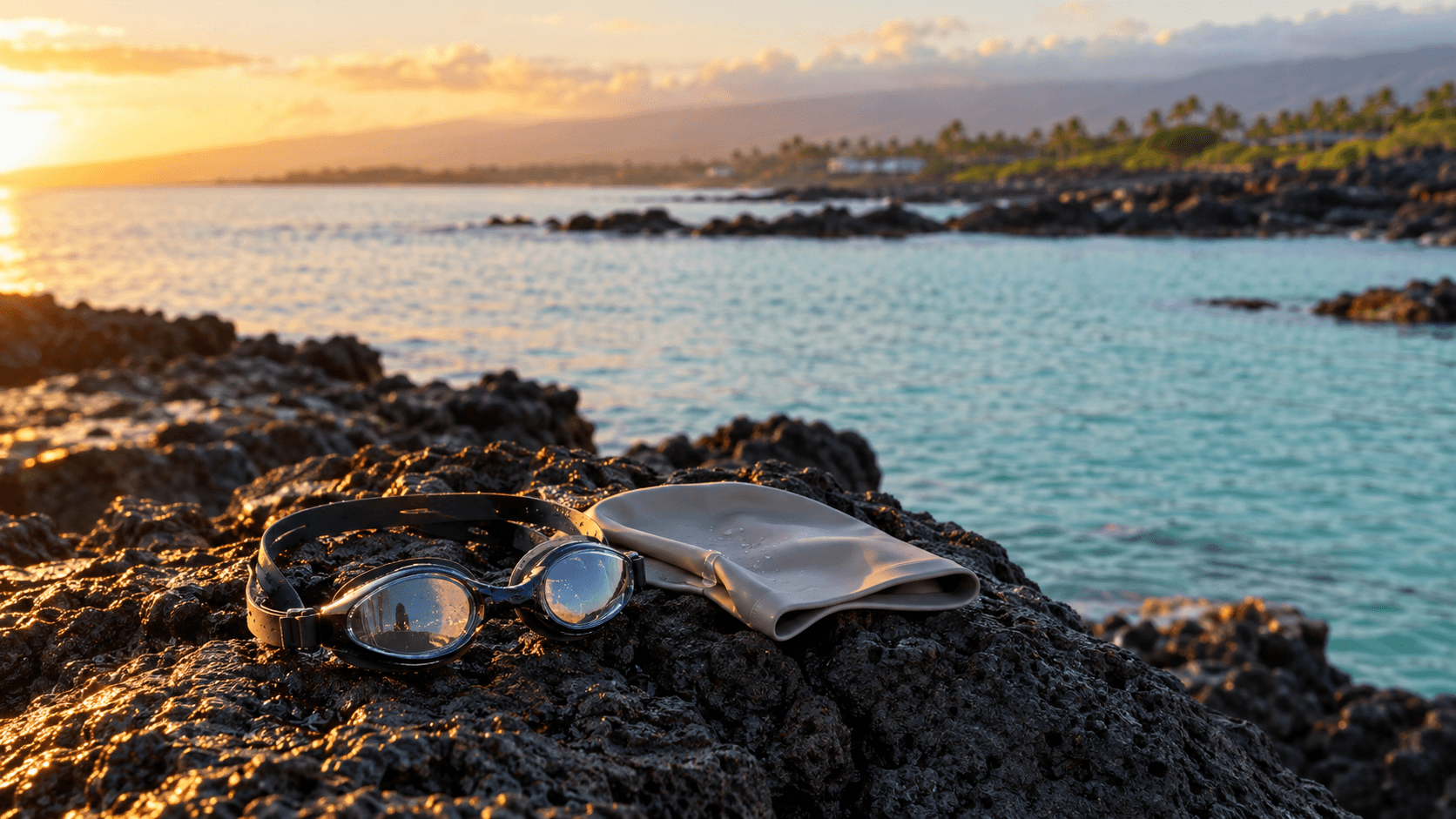
Kona 2026: jellyfish dates aren't a beach report
Hawaiʻi's public 2026 jellyfish calendar marks 4–6 October as a high-probability window and 7 October as low probability. For Kona athletes, those dates are a prompt to check the beach, not a live report on Kailua Bay.

Open-water swim data: what 2026 GNSS research means
A 2026 systematic review explains why continuous GPS-style tracking could change triathlon swim analysis, while warning athletes not to mistake a colourful map for reliable performance data.
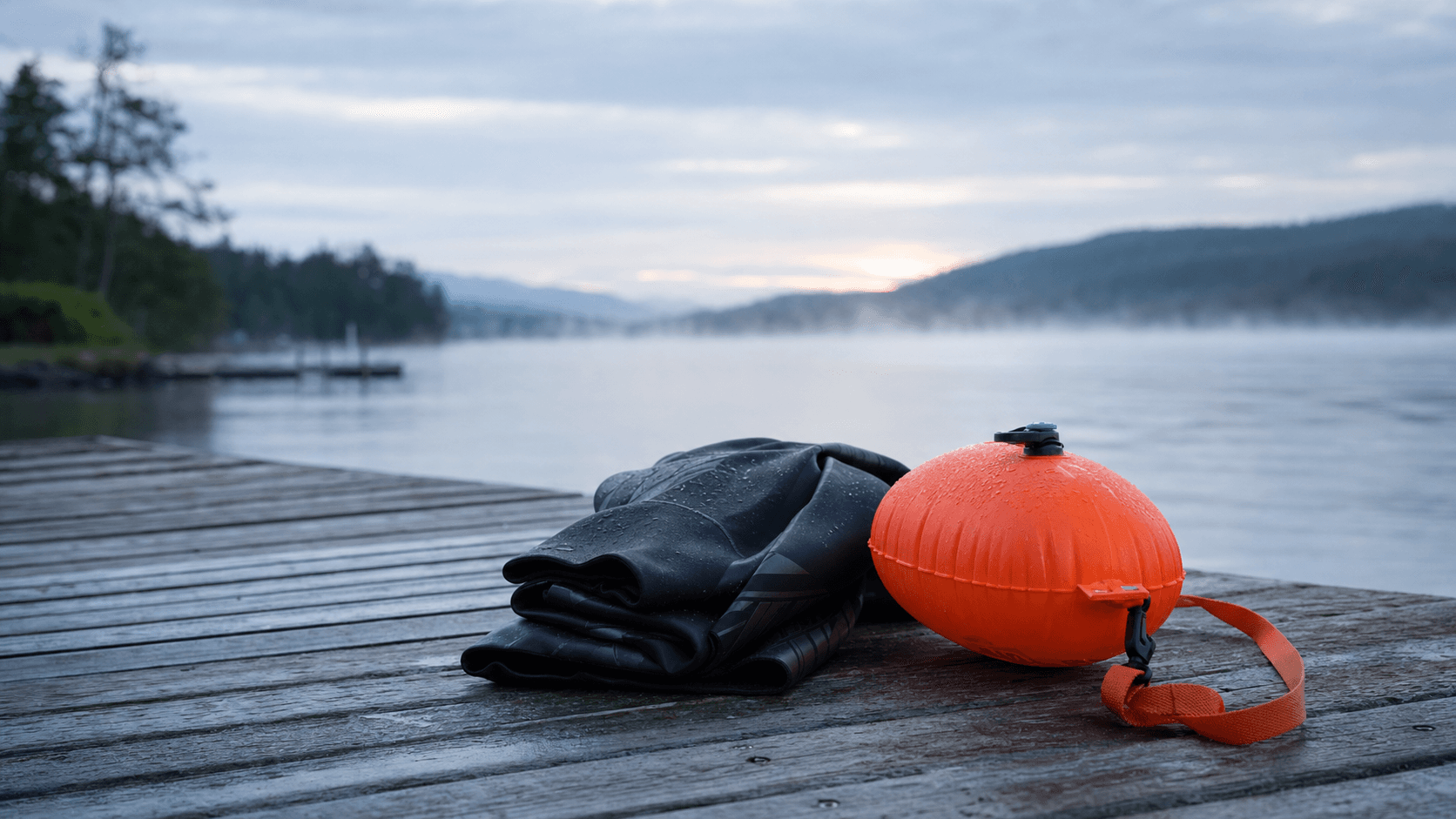
Cold-water triathlon swimming: what the new 15°C wetsuit study means
A practical reading of new 2026 cold-water research: why trained swimmers reached a median 15.0°C threshold in wetsuits, but 16°C remains the safety standard.
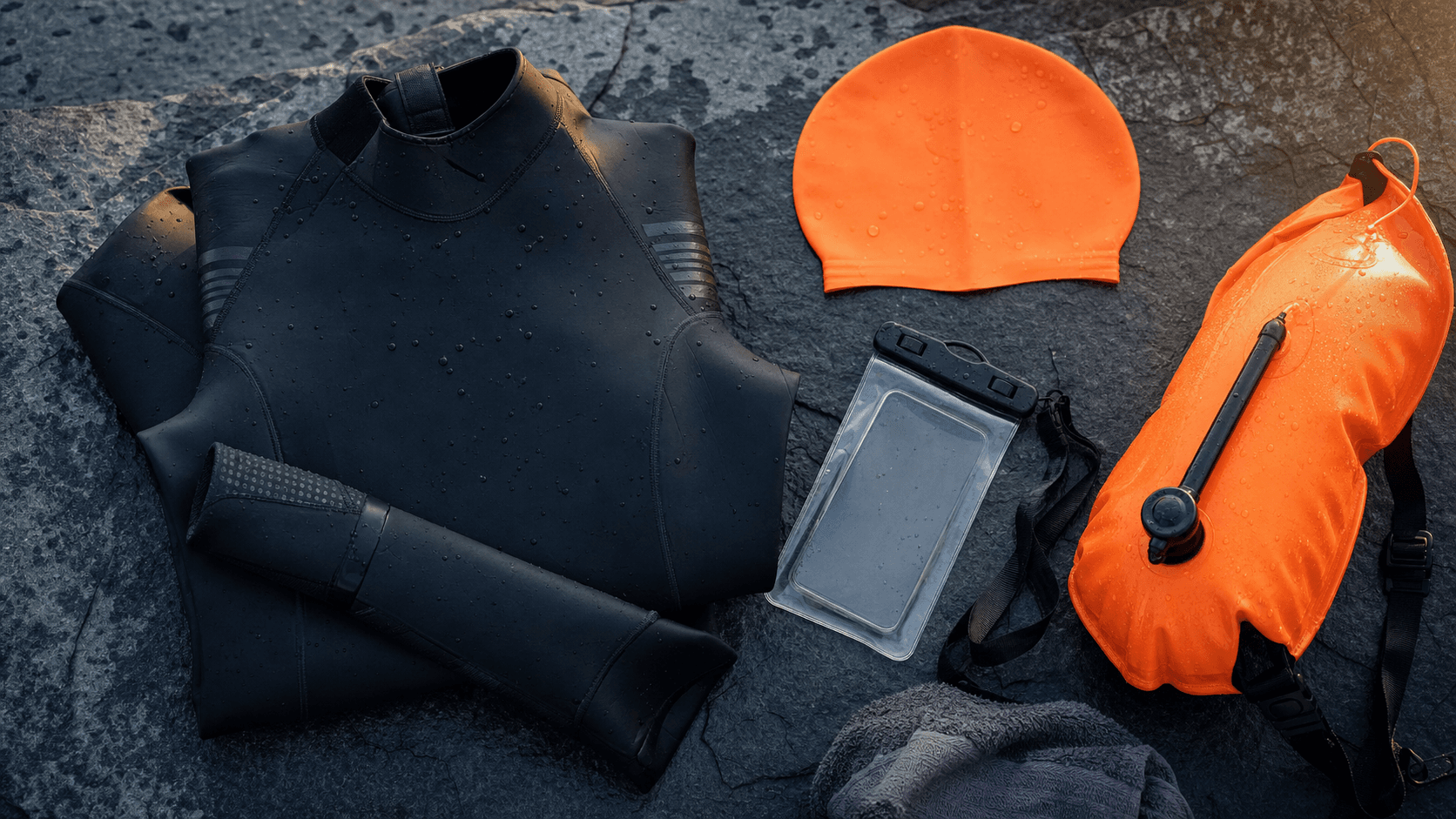
Open-water triathlon training after rain: the UK water-quality check before you swim
Rain can change water quality, river flow and the safety of an open-water session. Use this practical UK check before you swim, based on Environment Agency, GOV.UK and RNLI guidance.
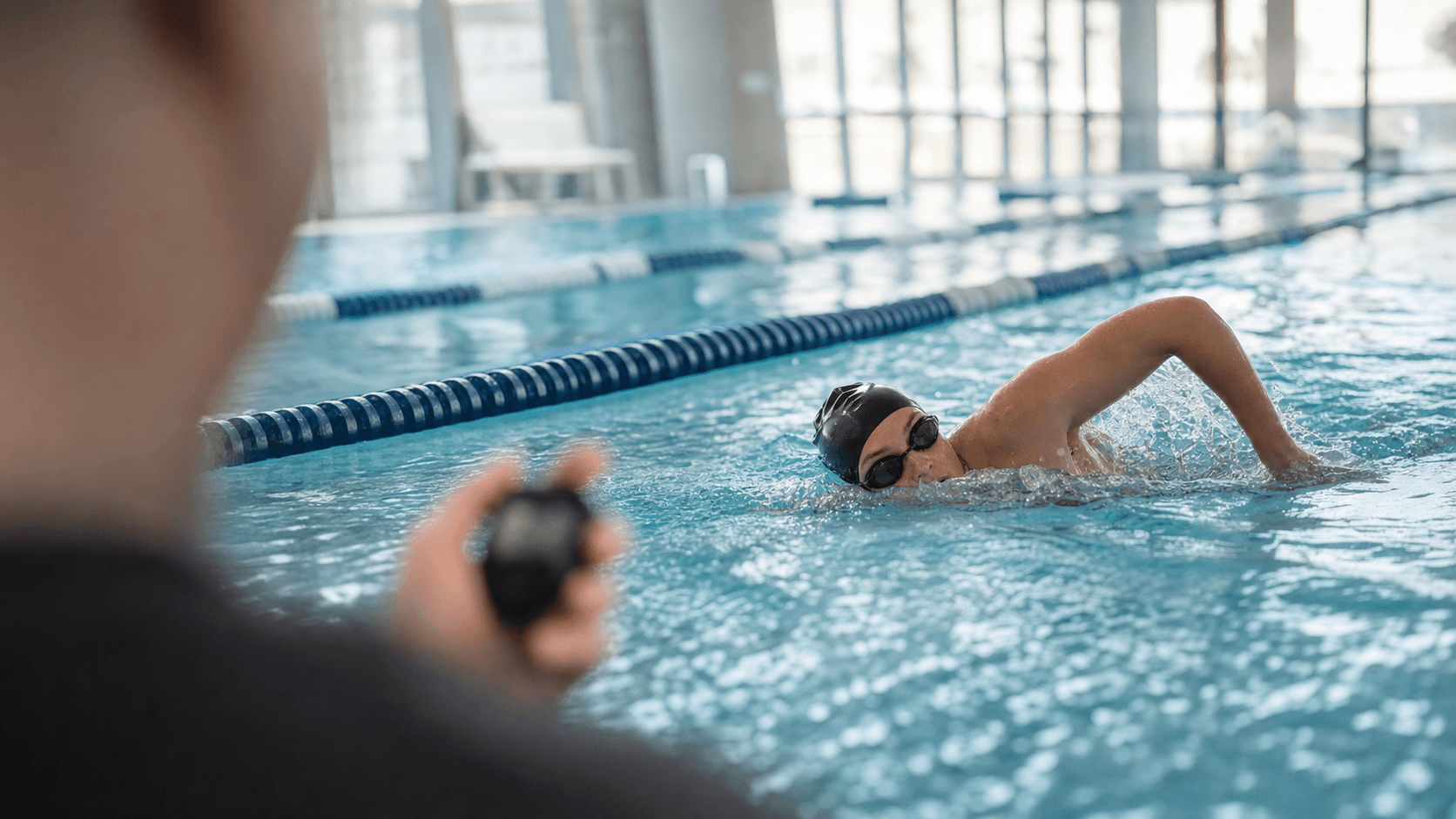
Open-water sighting for triathlon: 6 pool drills that make you straighter and faster on race day
Open-water sighting is one of those skills that rarely feels “hard” in training… until you watch your GPS track after a race and realise you swam extra...
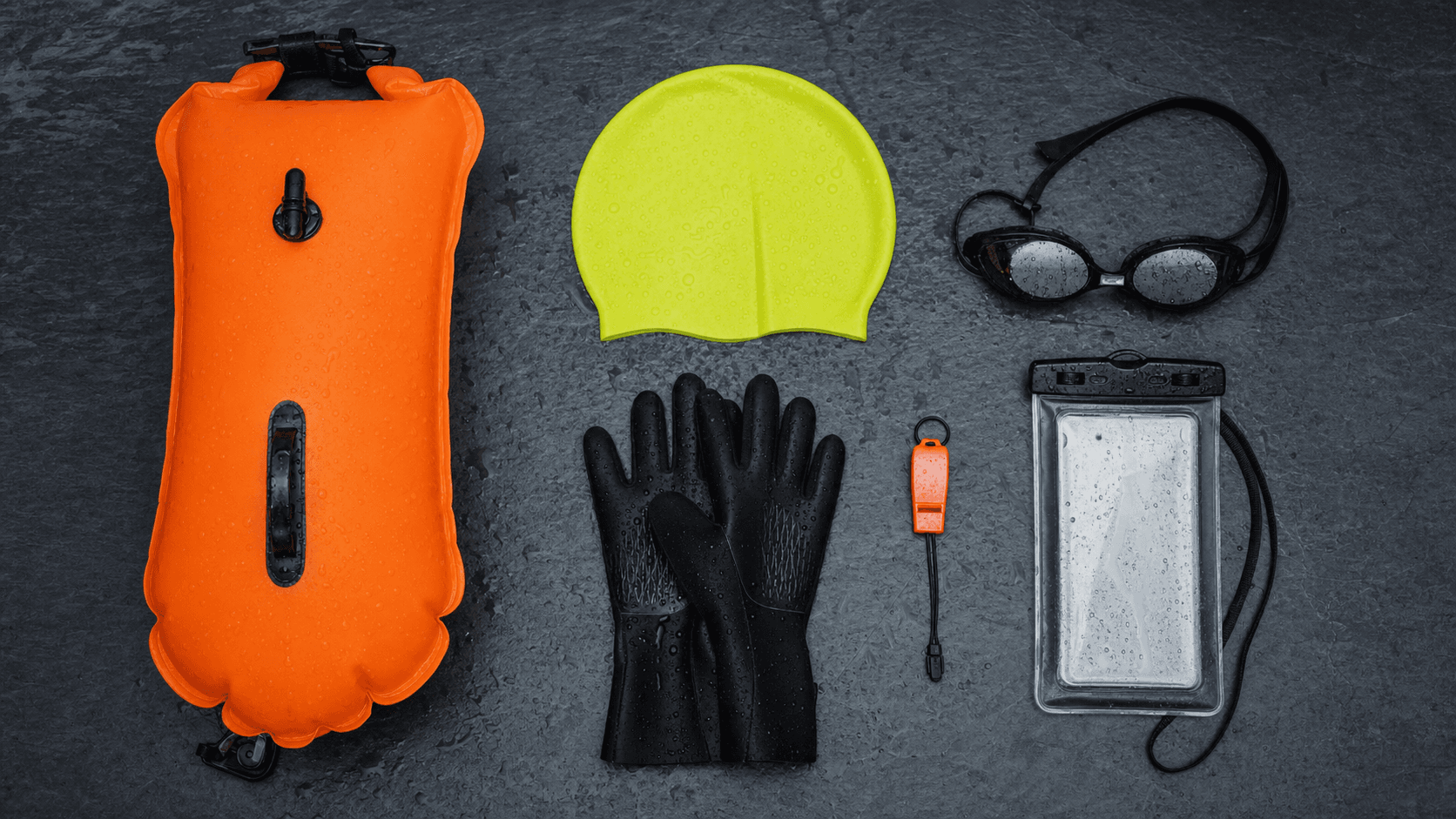
Open-water swim safety for triathletes: a practical checklist based on RNLI guidance
Open-water sessions are one of the best triathlon training tools — and one of the easiest places to make avoidable mistakes. Here’s a simple safety routine, grounded in RNLI guidance, that you can apply to sea and lake swims.
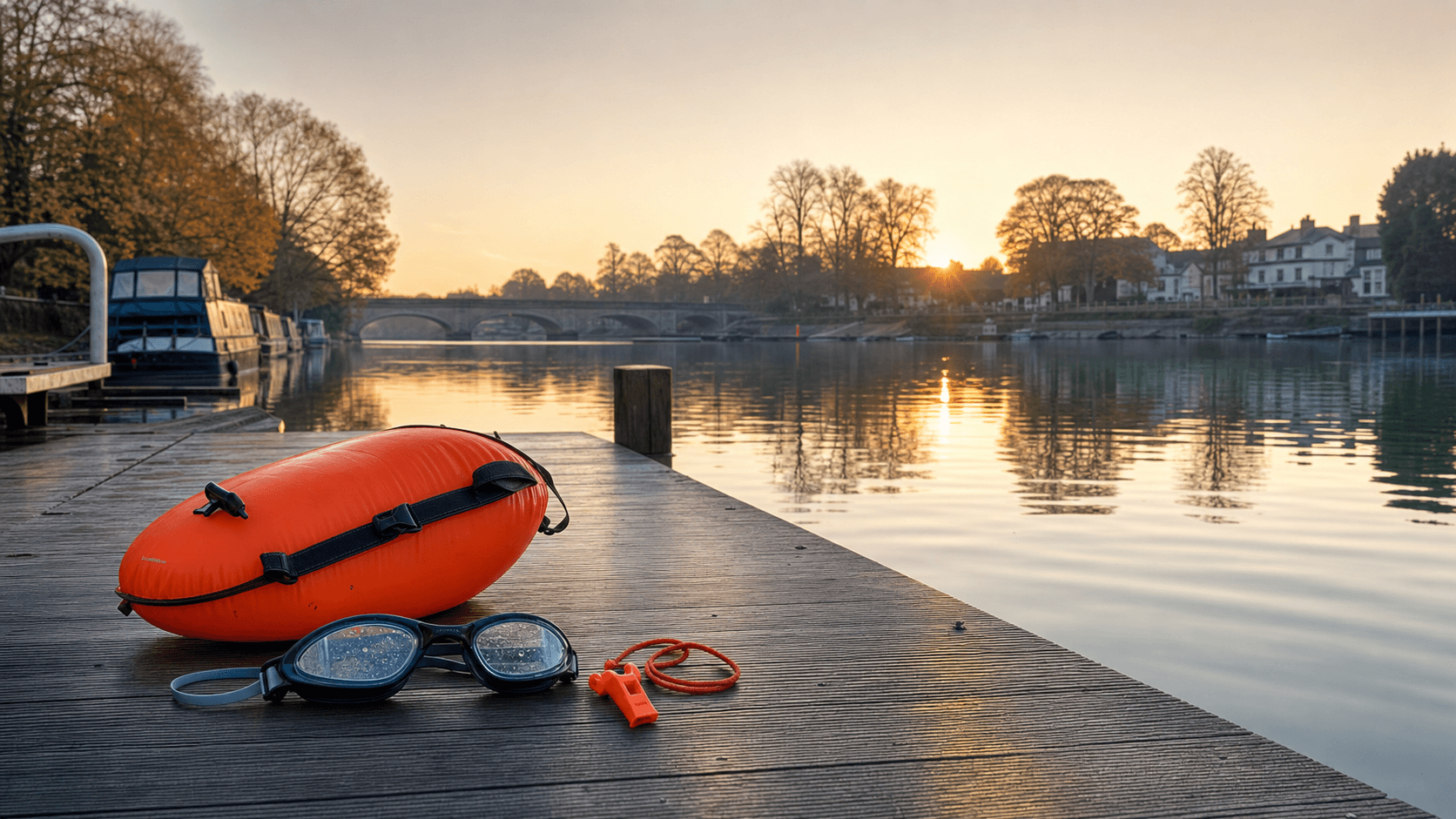
The One on the River Triathlon (Marlow) July 2026: what the Environment Agency river notice means for swimmers and boaters
If you’re racing (or simply swimming) on the Thames, it’s worth paying attention to the Environment Agency’s navigation notices, they’re written for boaters,...
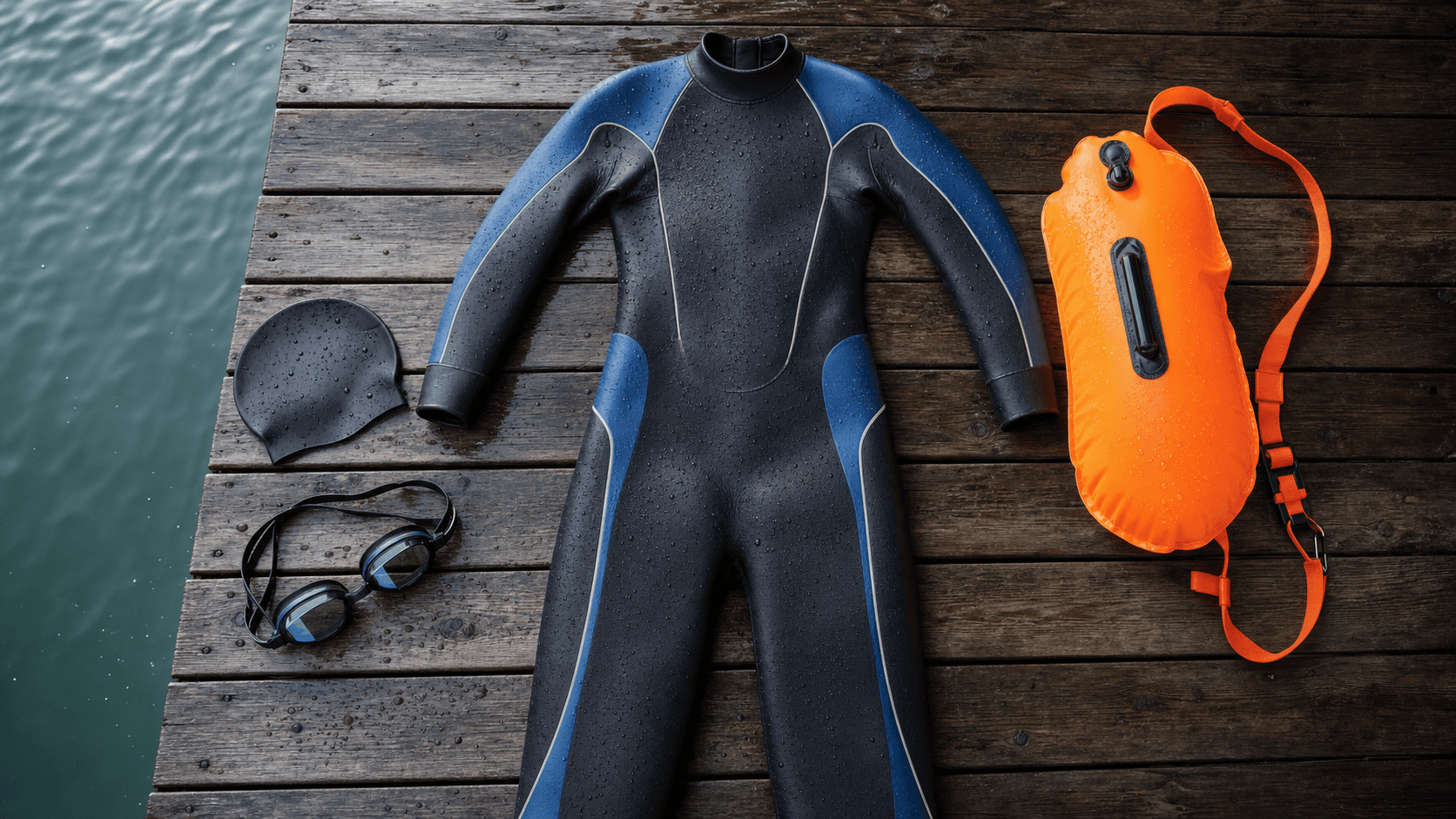
UK triathlon wetsuit rules explained: water temperature cut-offs, distance limits, and what to pack
Wetsuit rules are one of the most common sources of race‑morning confusion, especially in the UK where water temperature can swing quickly with weather. This...
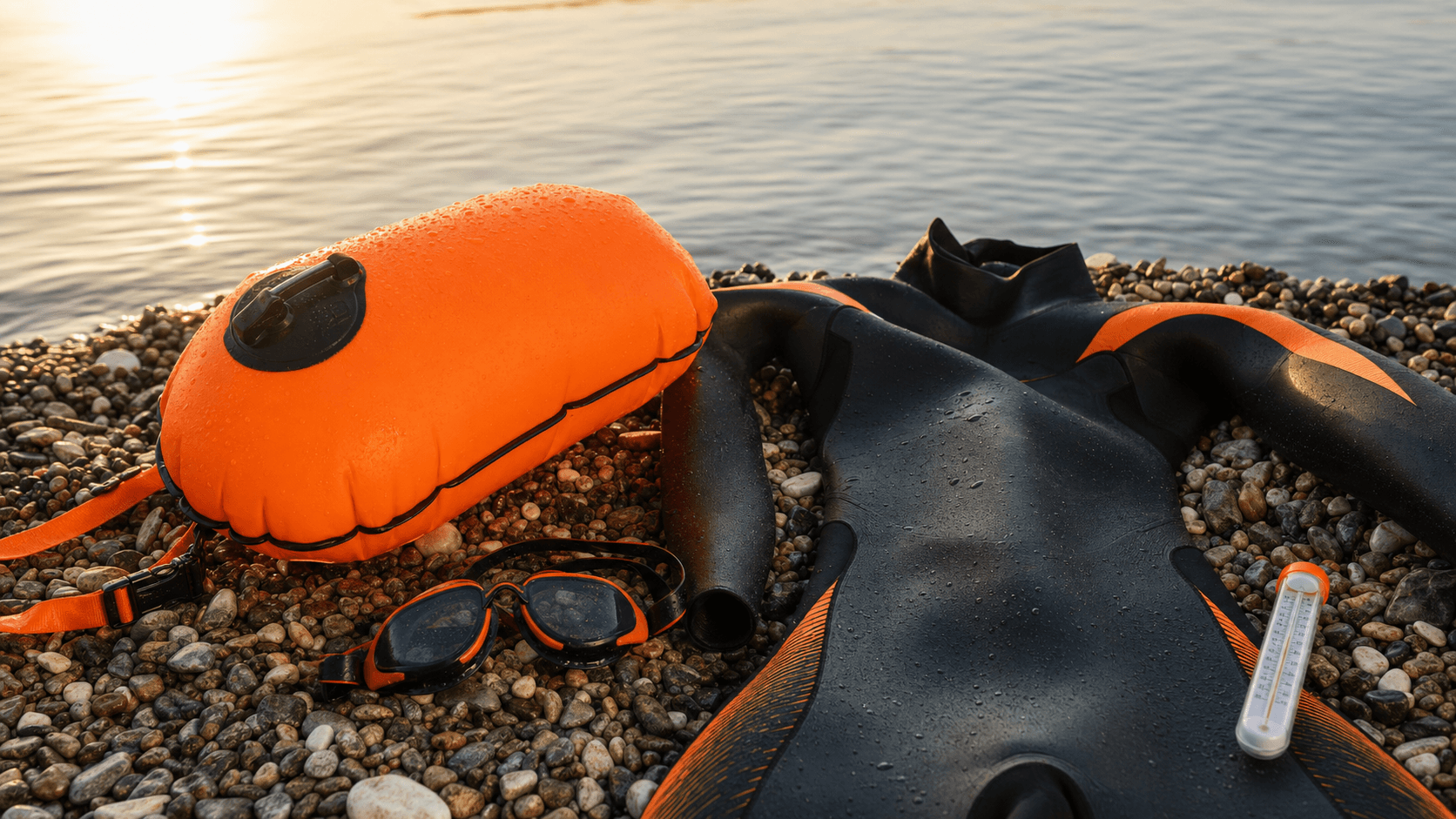
Red heat-health alerts, but cold water: a triathlete’s open-water safety plan for late-June UK heat
When the UK is under red heat-health alerts, it’s tempting to chase open-water sessions. But water can still be cold enough for cold-water shock. Here’s a practical safety plan for triathletes.
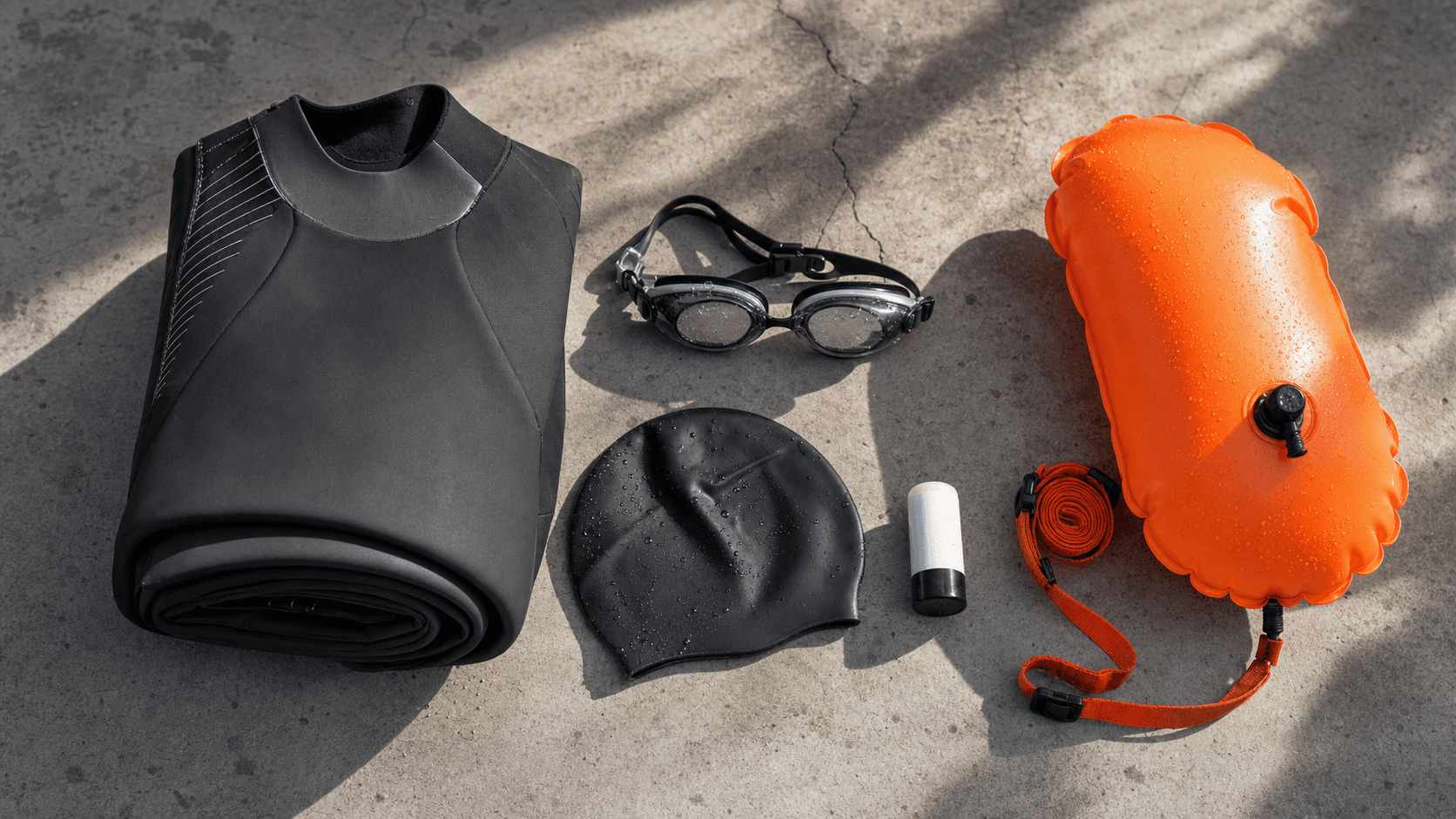
London T100 2026 swim rules: the 24.9°C wetsuit threshold, tow-float plan, and what to pack
Official event info says wetsuits are compulsory up to 24.9°C in London — and if the water is warmer you’ll swim without a wetsuit but with a provided tow-float. Here’s how to plan both scenarios so race morning isn’t a surprise.
Open-water panic proofing for triathletes: the 8-minute reset that saves your swim
Panic in open water is rarely about fitness. It is about breathing control, cold-water shock and the inability to reset. This is a simple protocol you can practise that borrows from UK water-safety guidance and turns it into a race-ready skill.
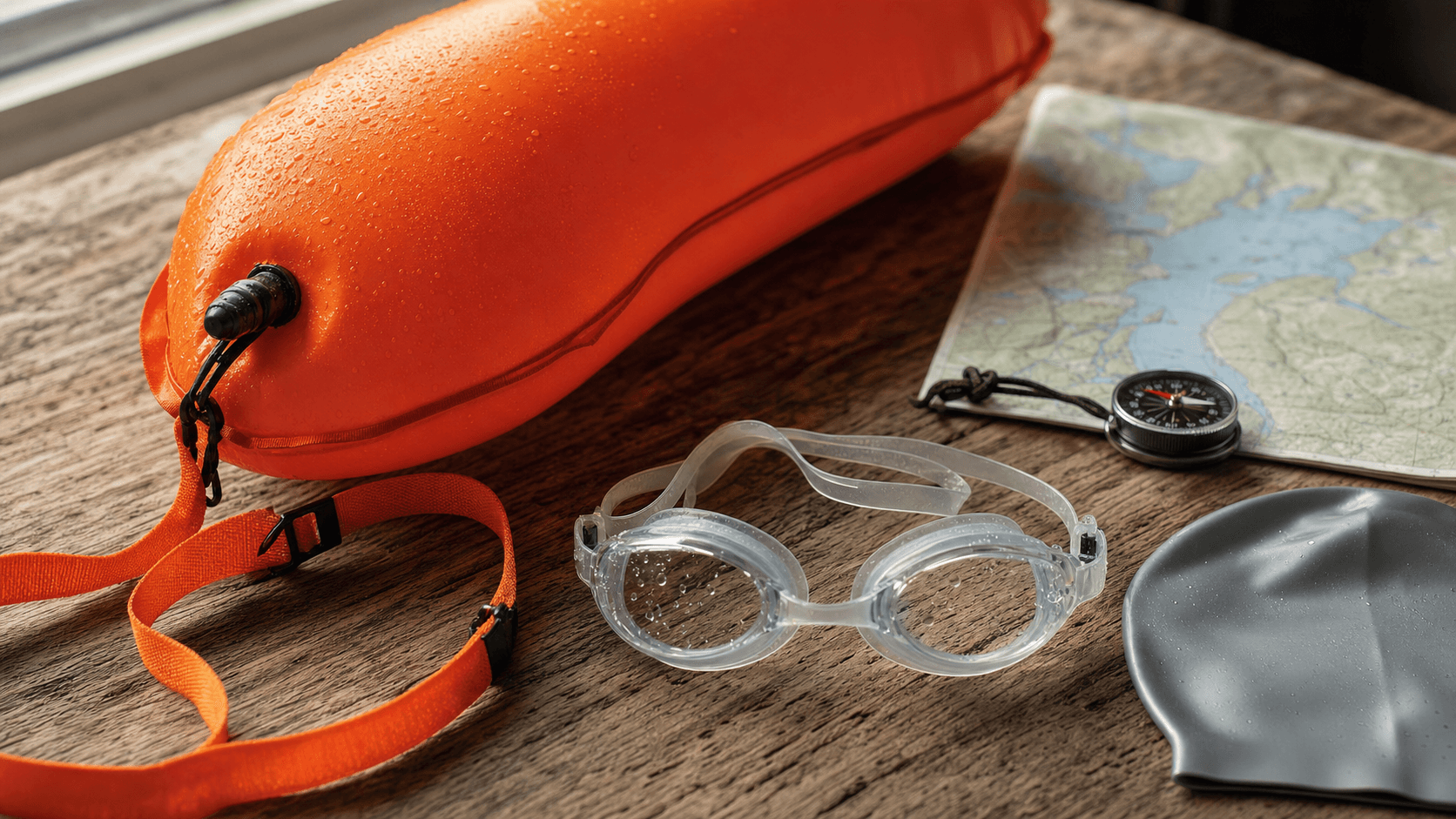
Open-water sighting drills: swim straighter, waste less energy
Open-water speed is not just fitness. It is geometry. If you are swimming 1,600m in training but your watch records 1,750m, you are not secretly fitter than...
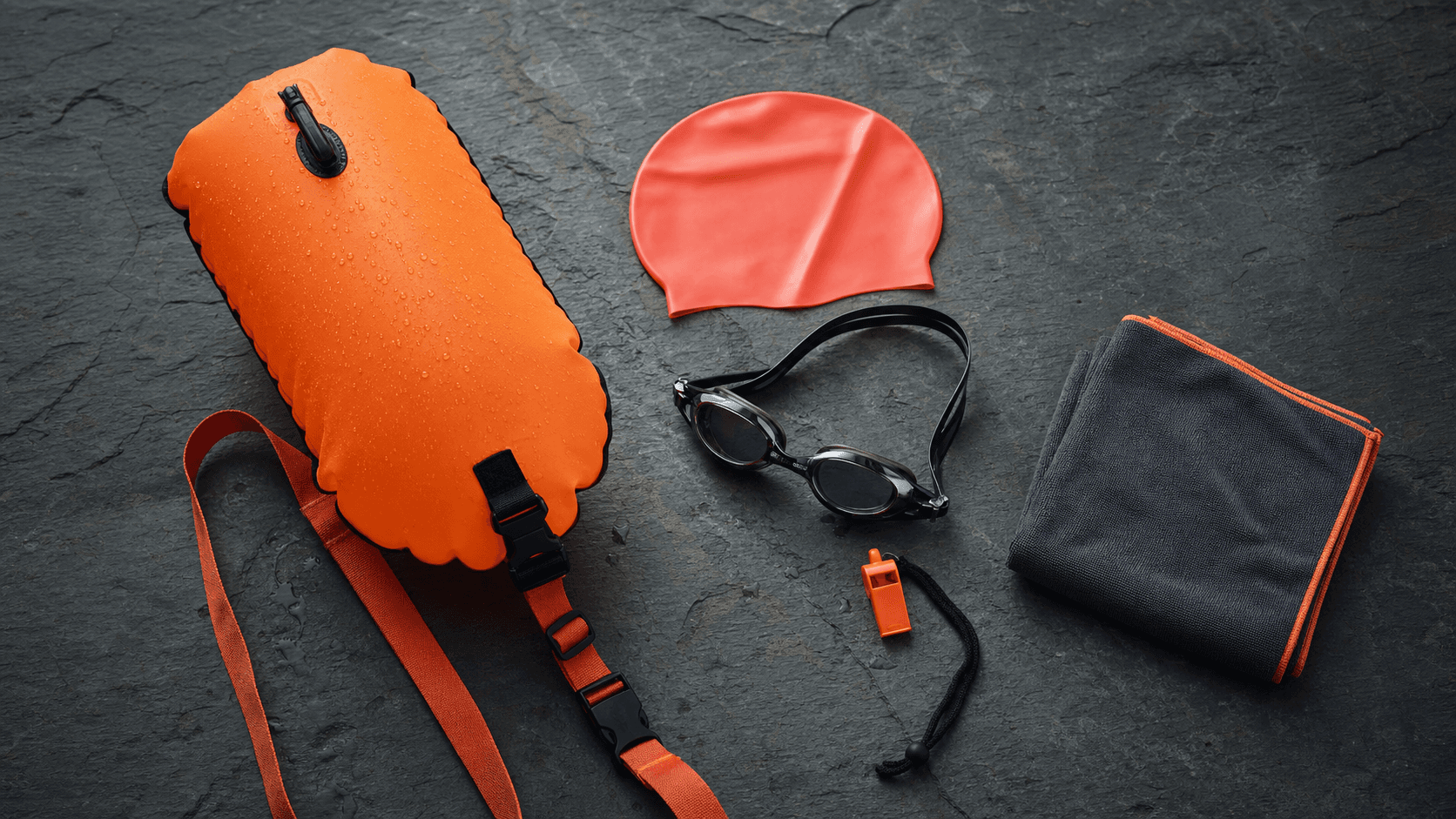
Tow floats for open-water swim training: when they help (and when they don't)
Tow floats are not magic. Used well, they make you more visible and give you a rest option; used badly, they create false confidence. Here is a clear UK guide for triathletes.
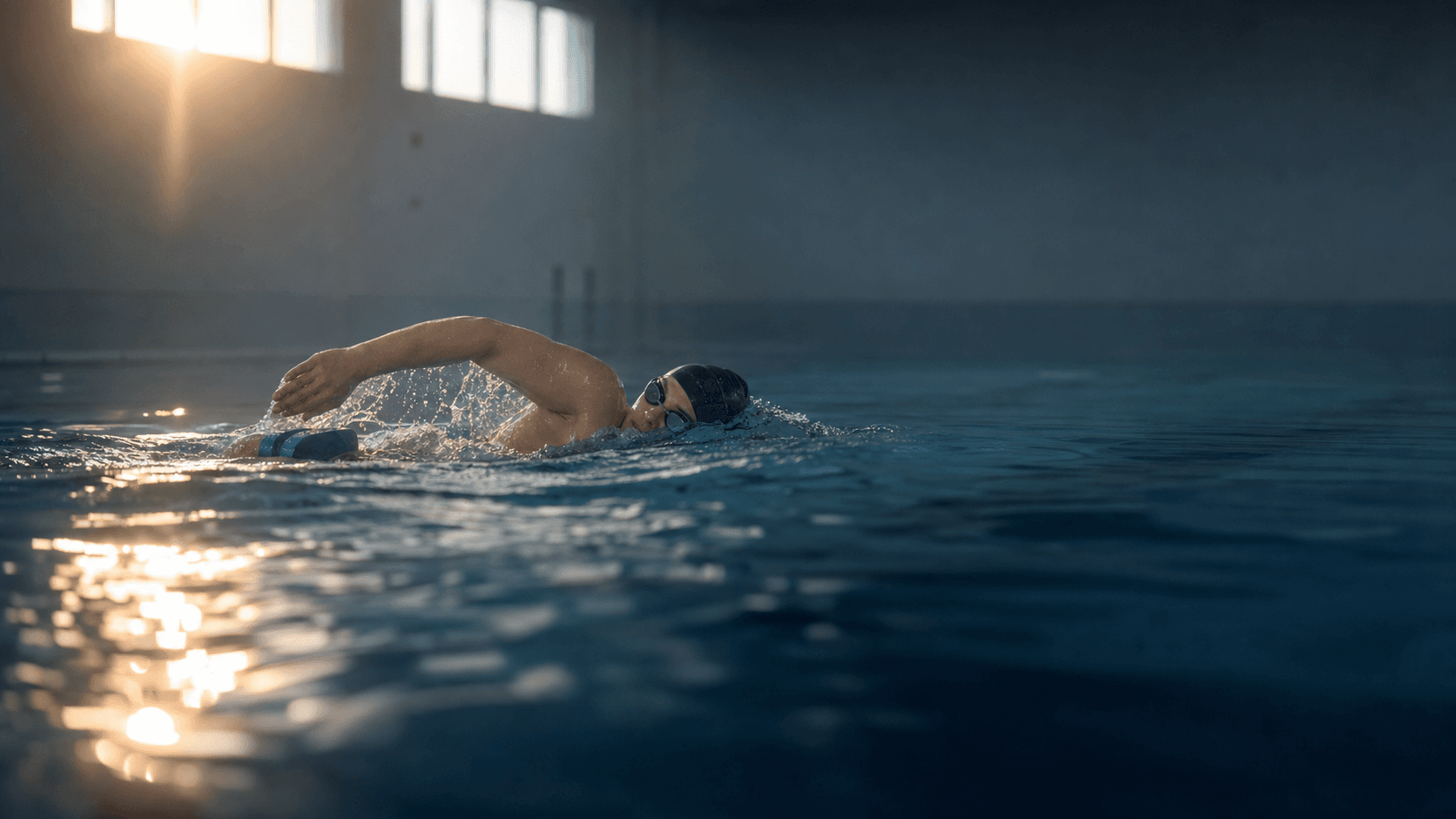
Swim training as rehab — lessons from a 16-week comeback
When Lucy Charles-Barclay walked off the bike at IRONMAN Lanzarote on 23 May 2026 with a comfortable lead, then ran 3:01:13 to win in 9:15:39, the headline...

Swimming with a cold: a triathlete’s decision tree (and pool etiquette)
A simple, practical guide to deciding whether to swim when you’re under the weather: how to judge symptoms, protect training partners, and return safely.
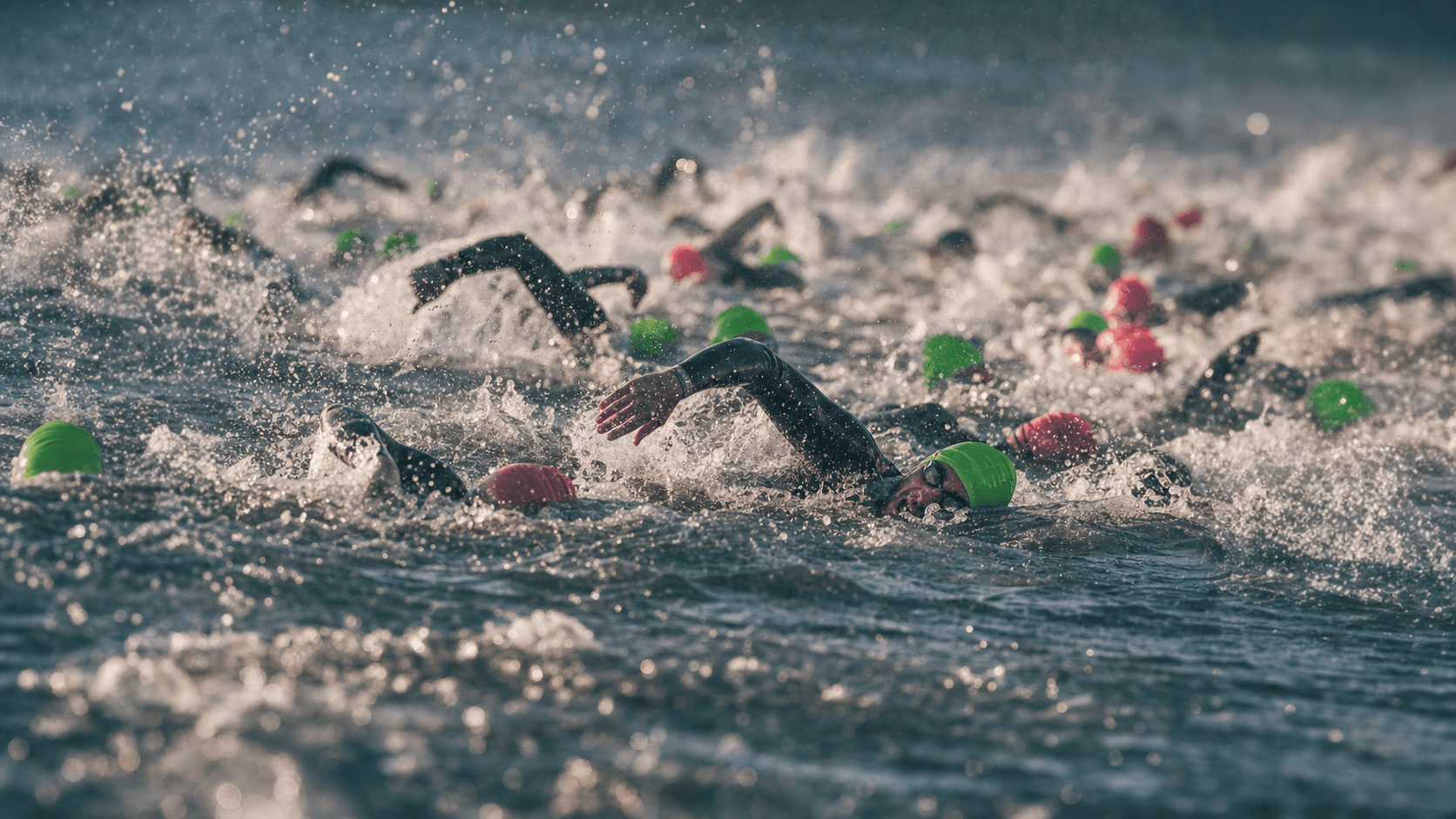
Cold water shock in triathlon: the 90-second rule, Float to Live, and a safer open-water warm-up
Cold water shock is the most common reason a perfectly fit triathlete looks like a beginner in the first 50 metres. It is not a “mental toughness” issue. It is...
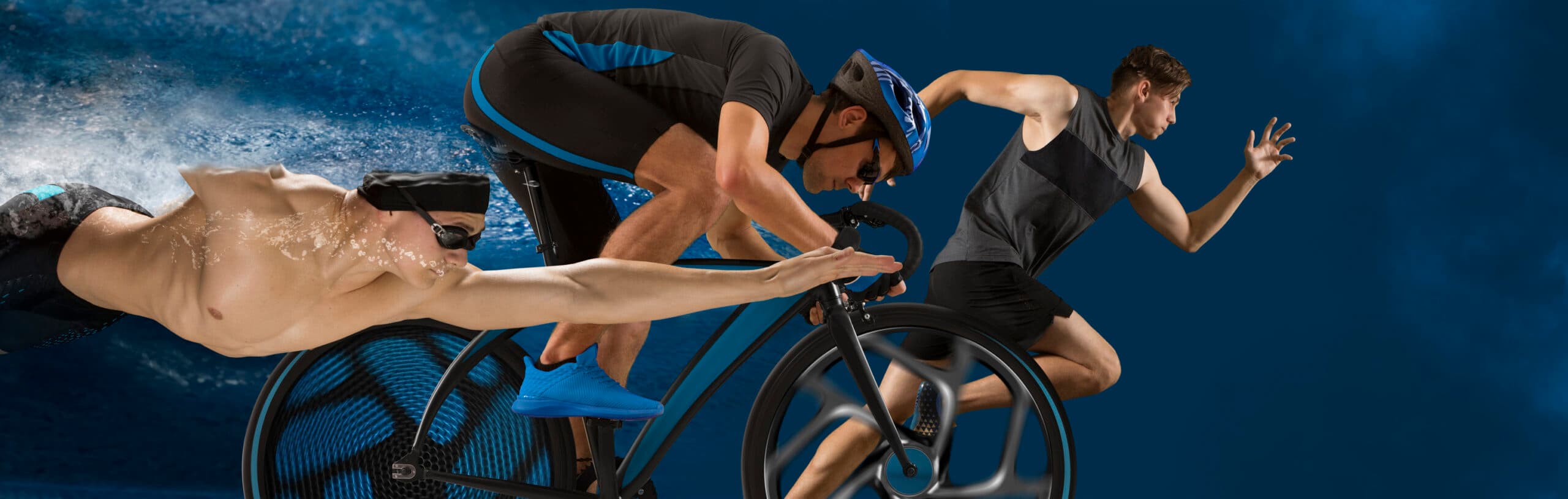
Triathlon Training: Balancing Swim, Bike, and Run Like a Pro
Master the art of balanced triathlon training — structured swim, bike, and run sessions integrated through periodisation and brick workouts.
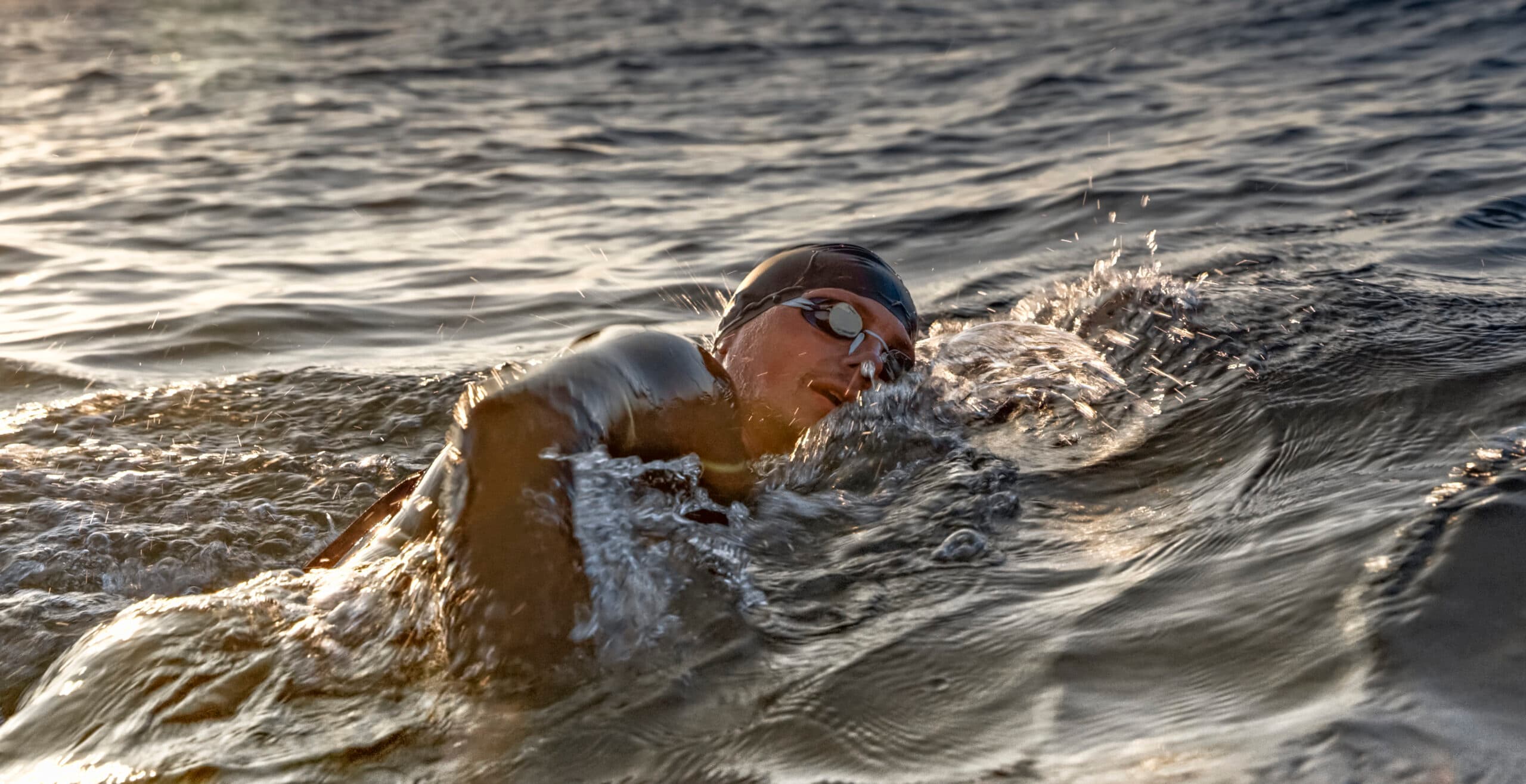
How to Improve Your Swim Performance in Triathlons
Improving swim performance in triathlon is primarily a technique problem — even significant fitness gains are limited by poor body position and inefficient stroke mechanics.
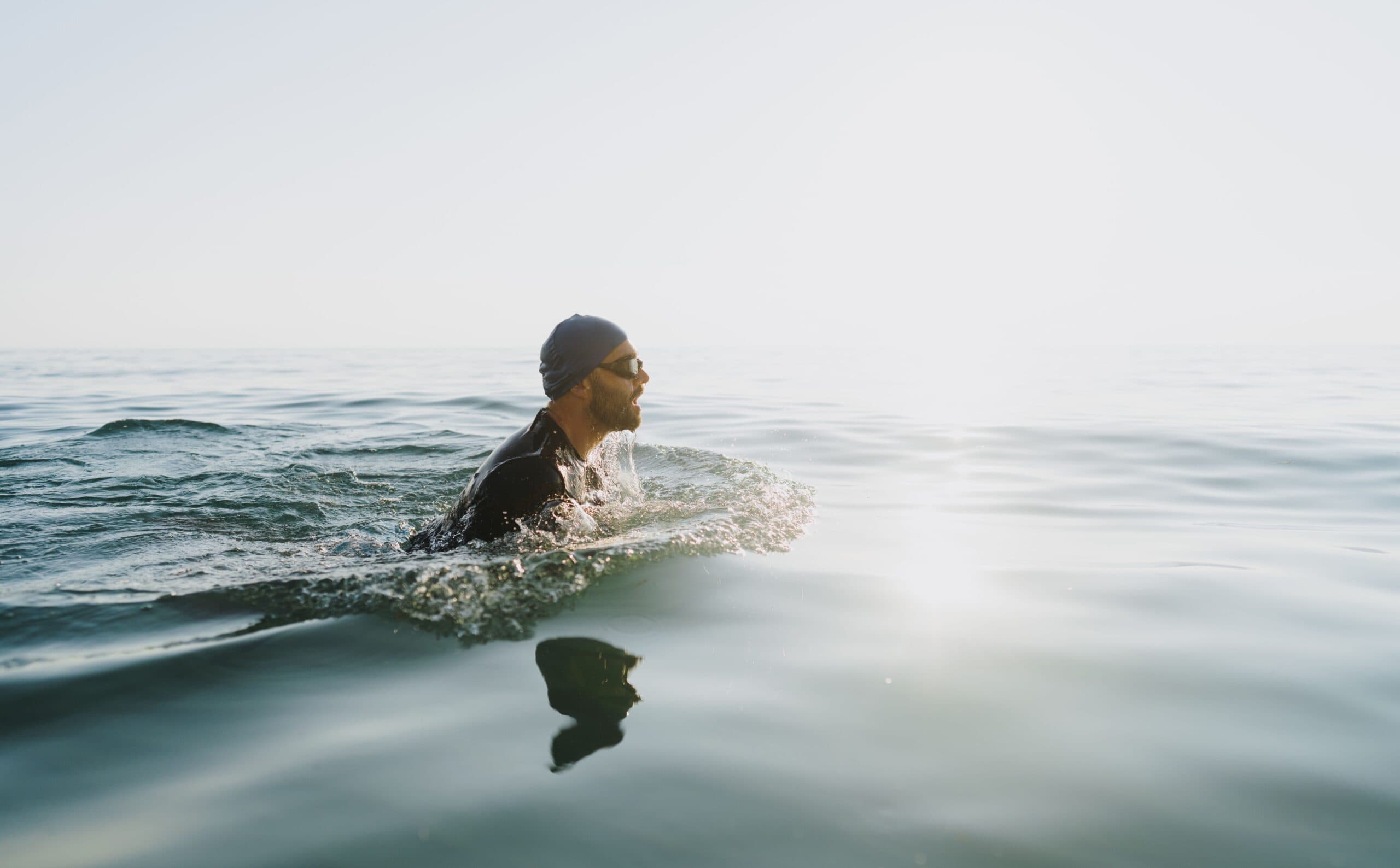
Cold Water Swimming: Acclimatisation Techniques for Triathletes
Cold water acclimatisation is one of the most underestimated aspects of triathlon preparation for UK and Northern European athletes.
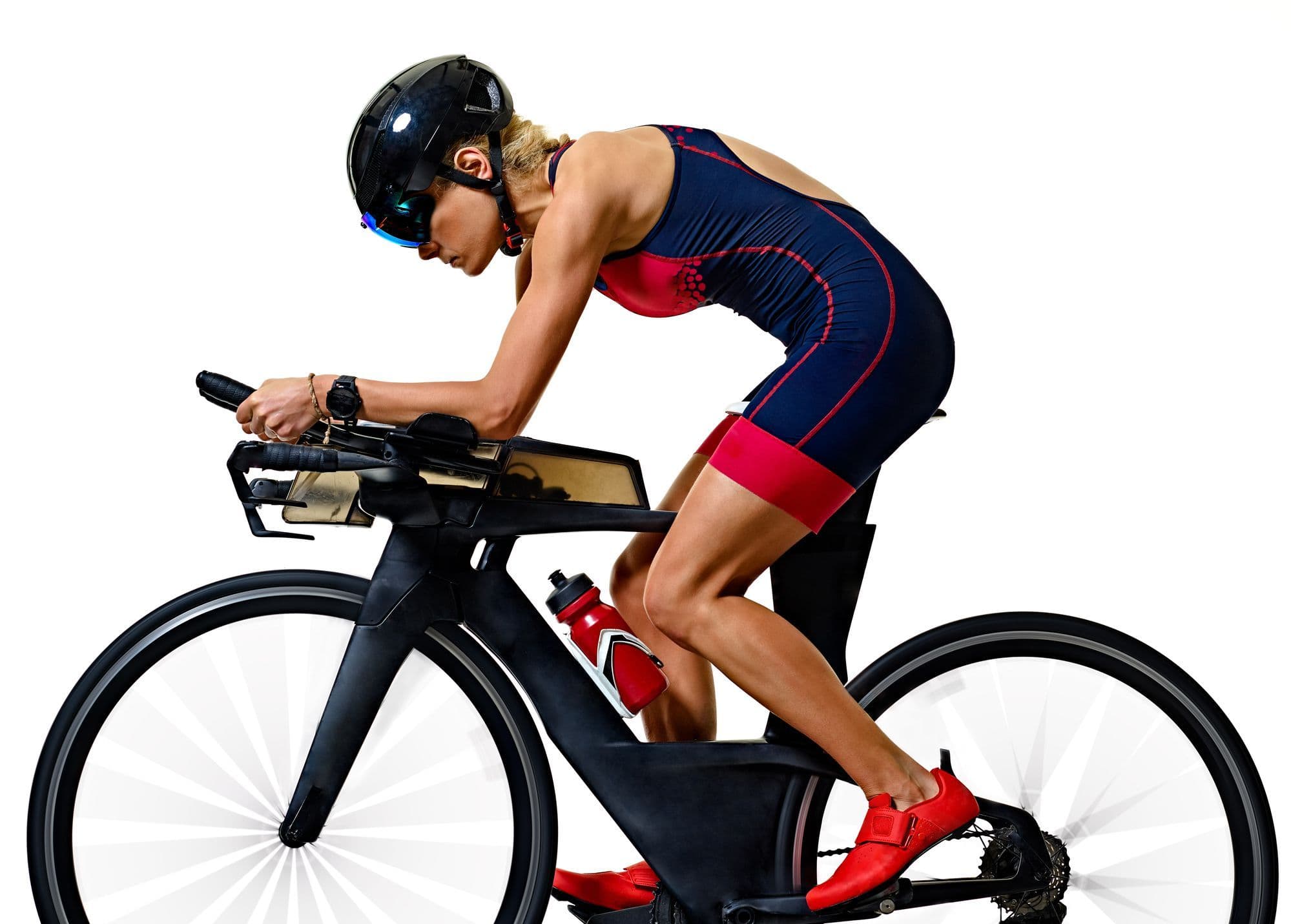
Understanding Triathlon Relay and Choosing the Best Type to Enter
Triathlon relay allows teams to compete across swim, bike, and run disciplines. From sprint to Ironman formats, here's how to understand the structure and choose the right relay type.