
Mark Ellison
Age-Group Triathlete | Ironman 70.3 Racer | Data Analyst
20 articles published
About Mark
Mark Ellison is a 41-year-old triathlete from Cardiff who brings an analytical mindset to endurance sport. A data analyst by profession, Mark is fascinated by training metrics, heart rate zones, and the science behind performance gains. He races Ironman 70.3 events and writes in-depth guides on training technology, periodisation, and race strategy.
Articles by Mark

90g vs 120g carbohydrate per hour: what the 2026 evidence actually means for triathletes
A 2026 review discusses whether trained endurance athletes may benefit from carbohydrate intakes above the familiar 90g per hour ceiling. Here is what is established, what is only suggested, and how to test a higher-fuelling plan without turning race day into an experiment.

Carb loading before an Ironman: what 2026 research changes
A 2026 study found that only 6 of 23 female Ironman World Championship athletes met its carbohydrate-loading guideline. The practical lesson is not to eat more at random, but to rehearse access, timing and lower-fibre choices before race week.

Garmin CIRQA Smart Band for triathletes: what it can and cannot replace
Garmin’s CIRQA Smart Band is due to become available on 14 August 2026 in the company’s launch announcement. Here is what triathletes should know about its screen-free design, connected GPS, activity tracking and limitations before treating it as a training tool.

The 7-day 70.3 taper: what to do in race week
A practical 70.3 race-week taper for age-groupers: reduce fatigue, keep your legs responsive, and arrive at the start line with a plan rather than a panic.
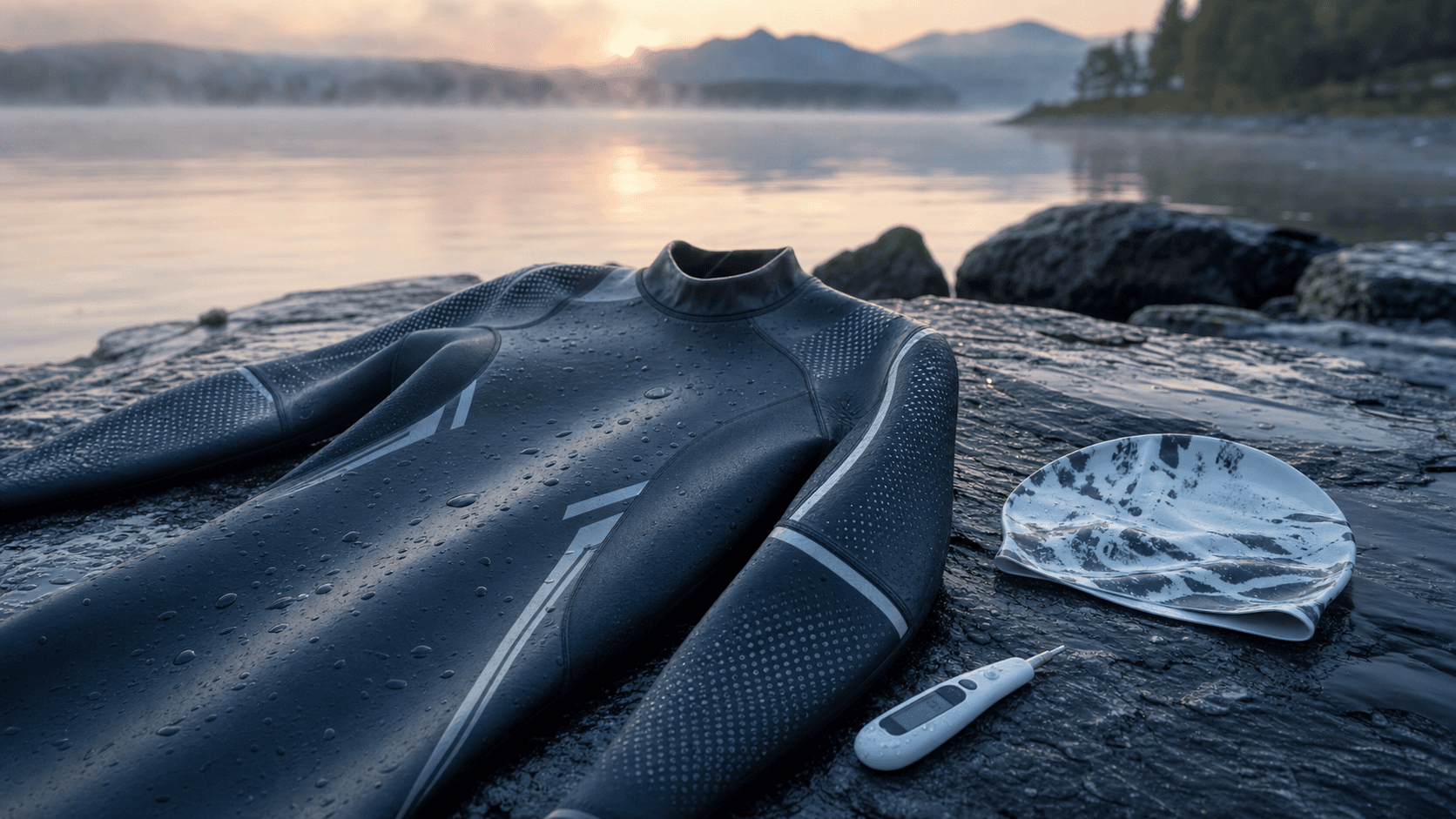
World Triathlon wetsuit temperature rules (age-group guide): what changes with swim distance and air temperature
Wetsuit rules can feel inconsistent because they’re not one single cut-off. Under World Triathlon rules, the thresholds depend on swim distance, age-group...

UKHSA heat-health alerts: a triathlete’s training + race-week adjustments (what to change at yellow vs amber)
When the UKHSA issues Heat-Health Alerts, it’s not just a weather story, it’s a signal that training and racing risk is changing. For triathletes, the big...

IRONMAN World Championship 2026 qualification: how the performance-based roll-down works (and how to play it smart)
IRONMAN’s 2026 qualifying cycle uses a new performance-based age-group system: you’re ranked against a global benchmark for your age and gender, and slots can...

A practical 14-day heat acclimation plan for triathletes (built from consensus guidance)
If you’re racing in hot conditions (or just travelling from a UK summer into a hotter venue), heat preparation can make the difference between hanging on and...

Bike-to-run brick sessions for 70.3 season: a UK training guide with three proven protocols
Brick sessions are the highest-yield workout on a 70.3 training plan. Here's what the sport science actually says about the bike-to-run transition, three protocols to use through the UK season, and how to fuel, pace and cool them properly for a stronger run off the bike.
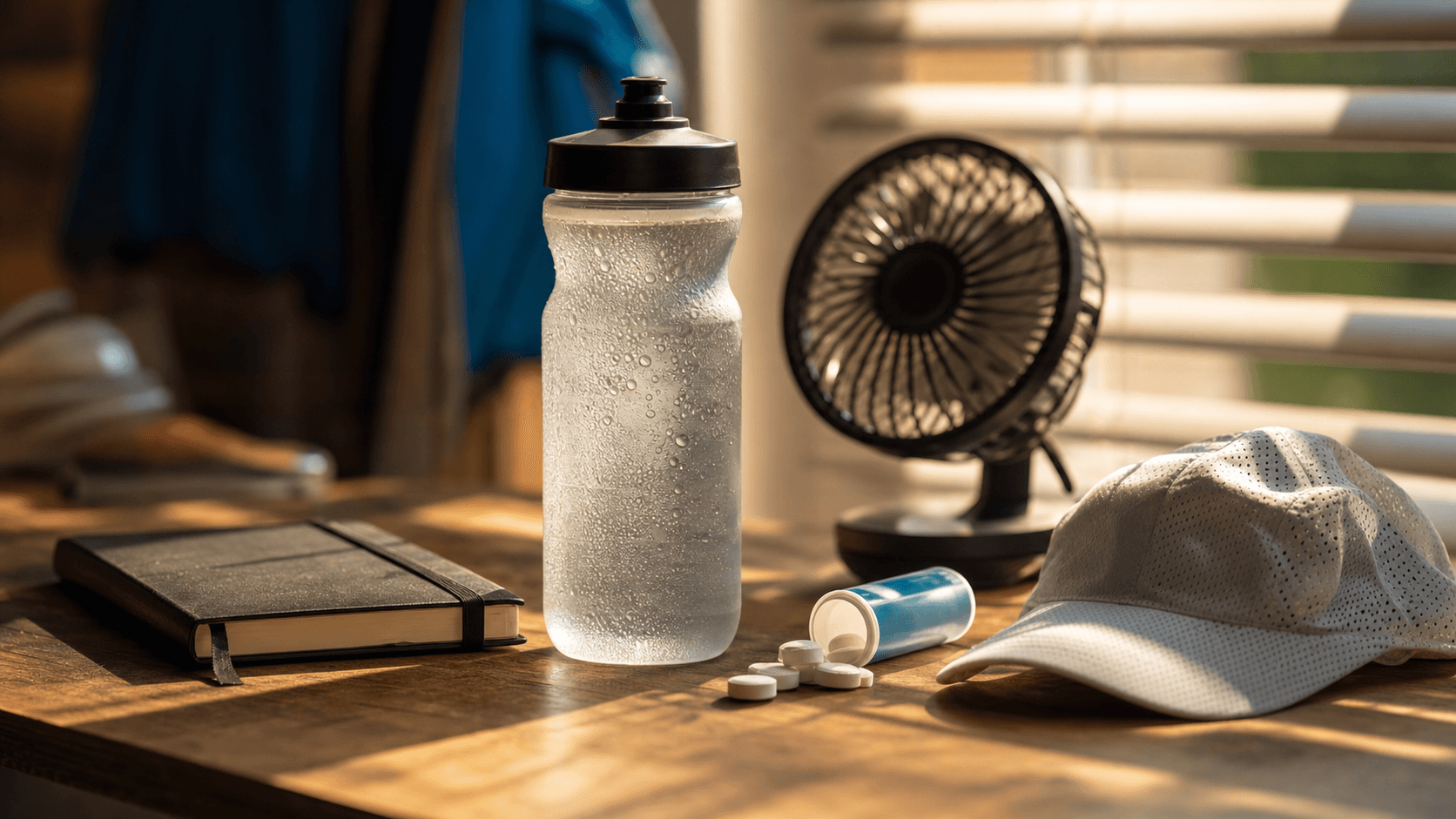
UKHSA amber heat-health alert: a triathlete’s training and race-week plan for hot spells
UK heat spells are now predictable enough that “how do I train this week?” is a recurring question, especially if you’re balancing long rides with commuting,...

Heat acclimation for triathlon: a practical 10–14 day plan, plus cooling and hydration tactics that actually work
If summer races have you dreading the run, heat prep doesn’t need a chamber. Here’s a practical plan using controlled sessions, post-workout heat, and simple cooling and hydration tactics.
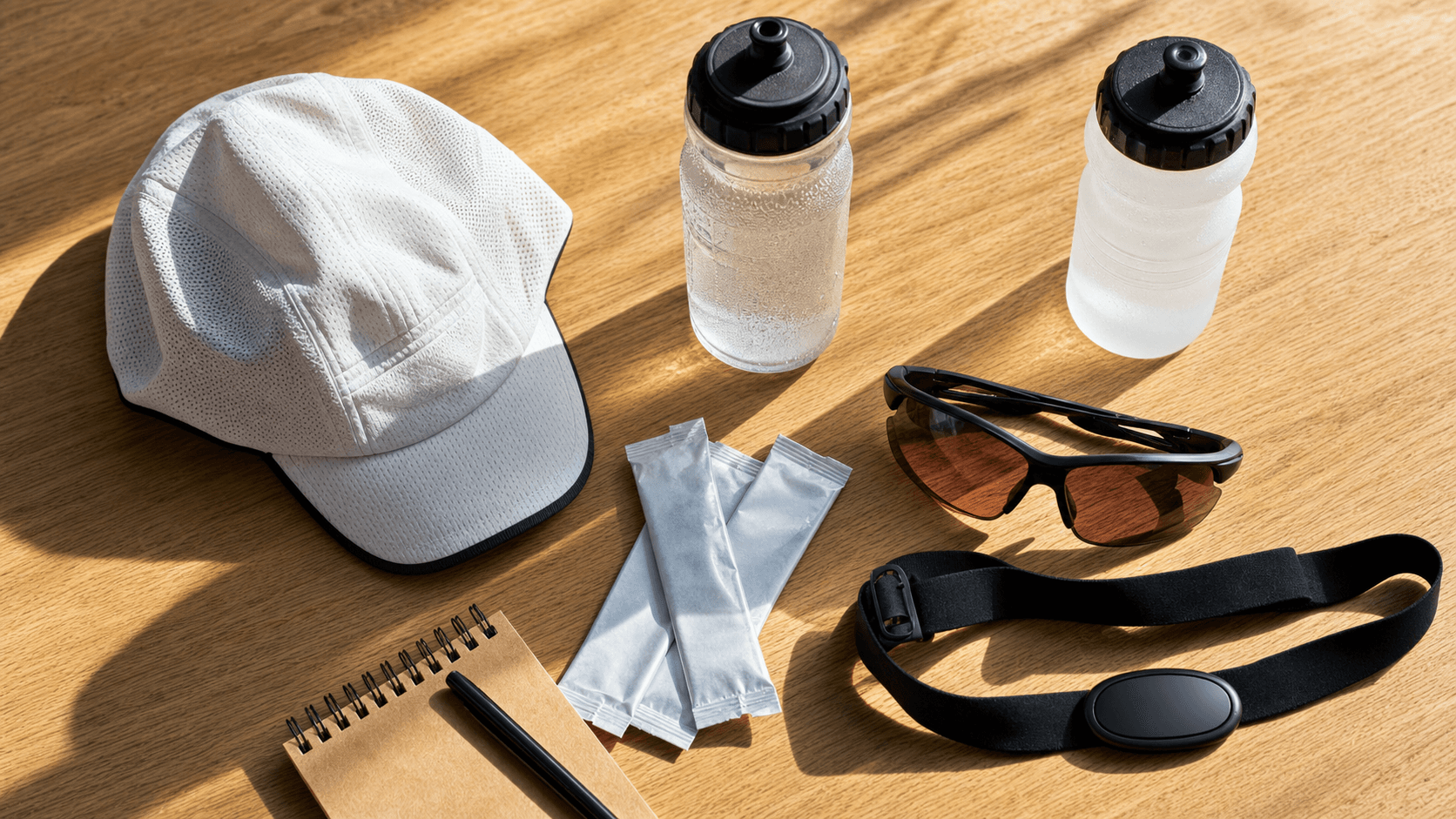
UKHSA Heat-Health Alerts (July 2026): a triathlete’s training and race-week plan
If you train through UK summers, you’ll eventually hit a week where sessions feel unusually hard, sleep gets patchy, and your heart rate runs higher than...
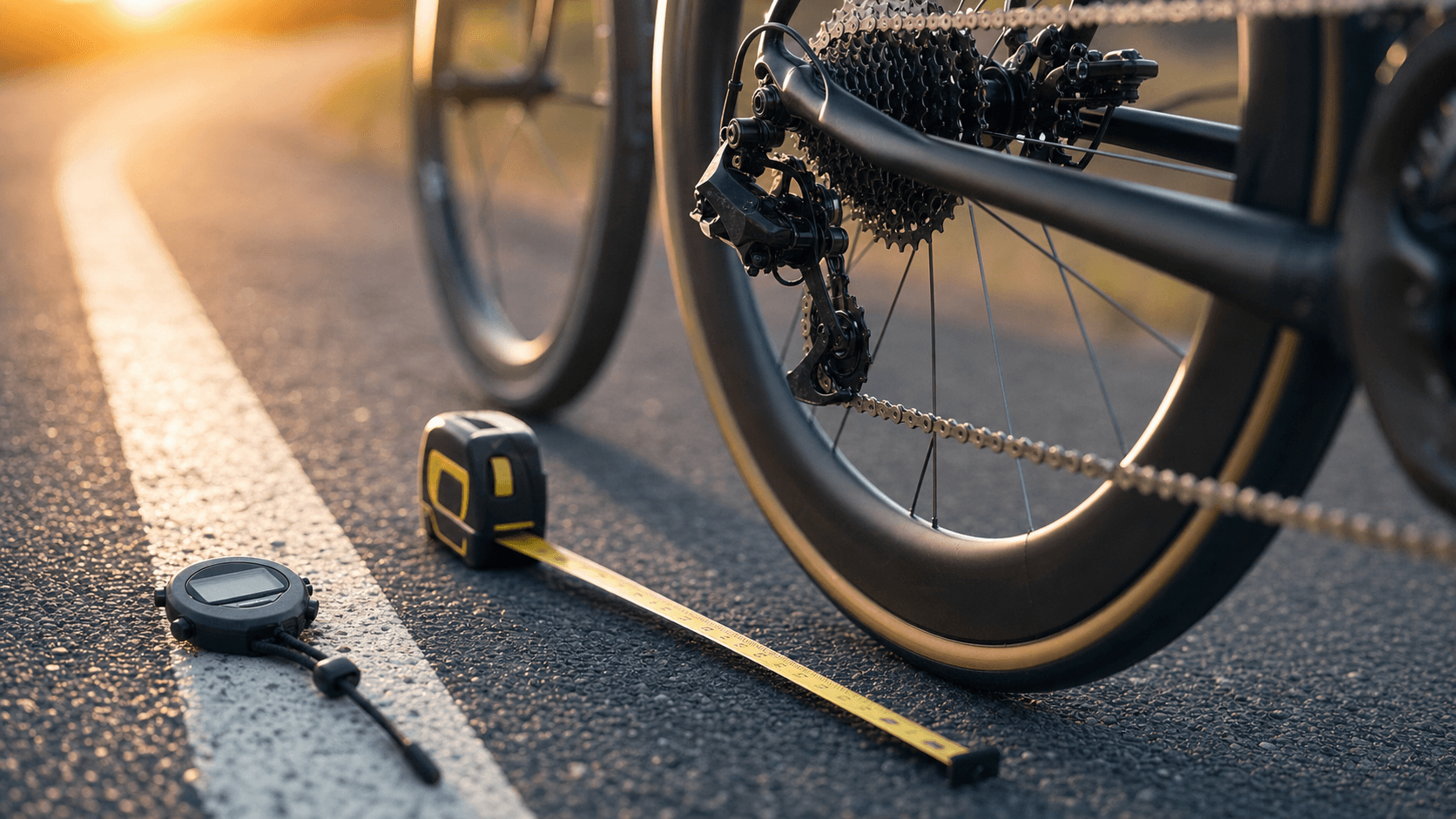
World Triathlon drafting penalties (from 2025): what changed, what stays the same, and what age-groupers should do
World Triathlon reduced drafting time-penalties from 2025 and unified the drafting zone to 12 metres with a 25-second pass window. Here’s what that means in practice.

Met Office Red Extreme Heat Warning: a triathlete’s UK training + open-water safety plan
The UK doesn’t issue red weather warnings lightly. When it does, triathletes need a plan that protects health without losing the week. Below is a UK-specific...
World Triathlon says WTCS will evolve into a ‘T50’ series from 2027: what it means for age-groupers
World Triathlon has signalled a major shift in how elite short-course racing will be packaged from 2027, with the World Triathlon Championship Series (WTCS)...

WTCS Quiberon shook up the 2026 rankings: what it means for Beth Potter and the GB women
World Triathlon’s post-Quiberon ranking update reshuffled the top of the women’s Series, with Beth Potter now second. Here’s what the points picture means for selection pressure and the rest of the season.

Hot-weather race day: cooling tactics that actually work (ice, shade, warm-up tweaks) and how to copy them as an age-grouper
A UK athletics governing-body checklist for hot-weather events includes ice, shade, reduced warm-ups and even misting stations. Here’s how to translate those organiser-level safety tactics into an athlete-level plan for triathlon.

IRONMAN’s 2026 performance-based qualification system: the UK age-grouper’s practical explainer
IRONMAN’s 2026 qualification rules blend automatic age-group winner slots with a performance-based roll-down. Here’s how the Kona Standard works, how the Performance Pool is ranked, and what UK age-groupers should do on race day and during roll-down.

UK Heat-Health Alert: a triathlete’s training and racing plan for the next 72 hours
UK heatwaves are different from “holiday heat”: you’re less acclimated, you still have work/life stress, and many UK routes have limited shade. With the UK...

Heat-health alerts in the UK: how triathletes should adjust training
Hot UK weather can feel like “free heat adaptation”. But when the UK Health Security Agency (UKHSA) issues heat-health alerts, the bigger performance gain is...